
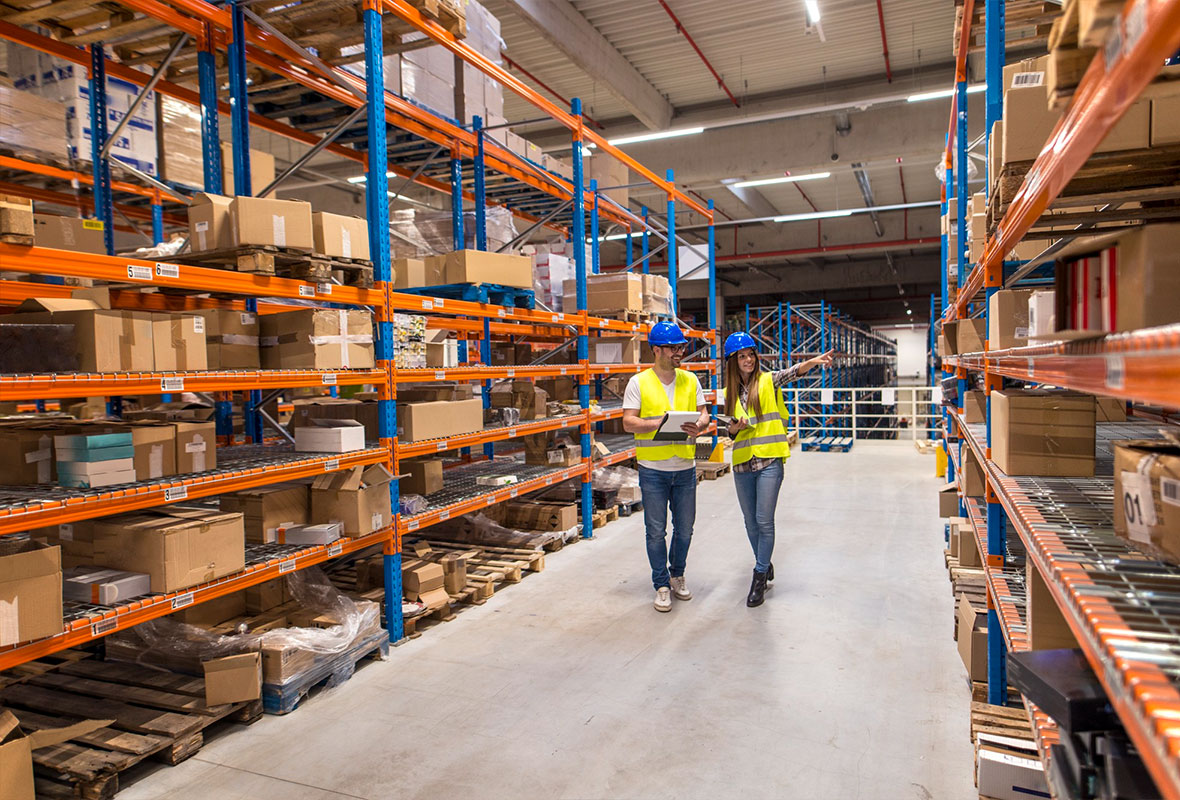
Selecting the right freight service is one of the most important decisions a business can make. Whether you're shipping domestically across Australia or importing goods from Asia, the wrong choice can lead to delays, unexpected costs, and damaged goods. In this guide, we walk you through the main freight modes available and the key factors you should weigh before making a decision.
Understanding Your Options
There are three primary modes of freight transport, each with distinct advantages depending on your shipment's nature, destination, and timeline.
Road Freight
Road freight is the backbone of domestic logistics in Australia. It is best suited for shipments moving between Australian cities and regions, particularly for heavy or bulky goods that would be cost-prohibitive to move by air. Road freight typically delivers within one to five business days depending on distance, and offers door-to-door convenience that sea and air freight cannot always match for domestic consignments. It is also highly scalable — from a single pallet on a shared truck to full truckloads (FTL) dedicated to your cargo.
Sea Freight
Sea freight is the most economical option for international shipping, especially for large volumes. It operates in two main formats: Full Container Load (FCL), where you book an entire container, and Less than Container Load (LCL), where your goods are consolidated with other shippers' cargo to fill a container. LCL is ideal for businesses that don't have enough cargo to fill a full container. The trade-off is time — sea freight from Asia to Australia typically takes two to four weeks — but for non-urgent goods, the cost savings are significant.
Air Freight
Air freight is the fastest option available, with transit times from Asia to Australia typically ranging from one to five days. It is particularly well-suited for high-value goods such as electronics, pharmaceuticals, and luxury items where speed and security are critical. However, air freight is significantly more expensive per kilogram than sea or road transport. For time-sensitive cargo or goods where the cost of delay outweighs the freight premium, air freight is the clear choice.
Key Factors to Consider
Once you understand the modes available, the decision comes down to evaluating your specific shipment requirements against the following criteria.
Urgency
How quickly does your cargo need to arrive? If you're restocking fast-moving retail inventory before a sale event or shipping machine parts to minimise production downtime, air freight may be justified despite the higher cost. For orders placed well in advance, sea freight offers excellent value.
Volume and Weight
Heavier and larger shipments benefit significantly from sea freight or road freight. Air freight charges by actual weight or volumetric weight (whichever is greater), making it cost-prohibitive for bulky, low-density goods. If you're moving more than a cubic metre of cargo internationally, sea freight will almost certainly be more economical.
Value of Goods
Higher-value goods warrant extra consideration. Not only does air freight reduce the time goods are in transit — lowering exposure to theft, loss, or damage — but cargo insurance premiums are also typically lower for shorter transit periods. If your goods are worth significantly more than the freight cost difference, the premium for air freight may be well justified.
Destination
For domestic Australian shipments, road freight is almost always the right choice. For international shipments, you'll need to consider port access, customs procedures, and whether the destination country is better served by certain carriers. Some remote international destinations may only be practically accessible by air.
Cost vs. Speed Trade-Off
There is rarely a single "right" answer — it is always a trade-off. Map out your logistics requirements and rank priorities: if speed is paramount, pay for air; if cost is the driver and you have lead time, sea freight wins. Many businesses use a blend, shipping the majority of their volume by sea and using air freight for urgent top-ups or premium product lines.
Working With a Freight Forwarder
Navigating freight options, carrier negotiations, customs documentation, and compliance requirements is complex — and this is where a licensed freight forwarder adds real value. A freight forwarder acts as your logistics partner, leveraging established relationships with carriers across all modes to secure competitive rates and reliable service.
At AusTalk, we assess your shipment requirements, recommend the most appropriate freight mode, manage the entire booking and documentation process, and provide end-to-end visibility so you always know where your goods are. Our team has deep expertise across road, sea, and air freight for Australian businesses importing and exporting across the Asia-Pacific region.
Working with a forwarder also provides access to consolidated sea freight services (LCL) that would not be available to individual shippers booking directly with shipping lines, as well as preferential air freight rates through volume agreements with airlines.
Conclusion
Choosing the right freight service comes down to understanding your shipment's weight, volume, value, destination, and urgency — and balancing cost against the service level your business requires. Road freight dominates domestic Australia; sea freight is the economical choice for international bulk shipments; and air freight is unmatched for speed and high-value goods.
If you're unsure which option is right for your next shipment, the team at AusTalk is here to help. We provide obligation-free quotes and expert advice tailored to your business needs.
Get a Free Quote